

See Rice Toner Benefits in 4–8 Weeks: K Beauty Science
Rice toners are a gentle, water-binding step that reliably improves hydration and adds mild brightening when you use them daily for several weeks. The main benefits, backed by dermatologists and formulation research, are hydration, gentle brightening, barrier support, and antioxidant protection. None of that happens overnight, and a rice toner works best as a supportive layer, not a replacement for treatments like vitamin C or retinoids.
TL;DR:
Commercial rice toners contain concentrated, stabilized, and often fermented rice extracts that deliver consistent hydration, brightening, and antioxidant benefits.
They show noticeable hydration within days and gradual brightening and barrier support over four to eight weeks of daily use.
Formulation quality, including pH, preservative system, and active concentration, significantly influences efficacy and safety, especially compared to DIY rice water.
People with dry, sensitive, or dull skin benefit most, while those with oily or acne-prone skin should carefully read ingredient lists to avoid heavy oils or fragrances.
Results depend on consistent application, proper routine layering, and choosing products with fermented extracts and additional barrier-repair ingredients.
Table of Contents
-
Rice Toner Benefits for Skin: Hydration, Brightening, and Beyond
-
How Rice Toners Work: Ingredients, Fermentation, and Formulation
-
DIY Rice Water vs. Commercial Rice Toner: Which One Actually Works
Rice Toner Benefits for Skin: Hydration, Brightening, and Beyond
Rice-derived ingredients do a lot of quiet work in a toner formula, and each benefit traces back to a specific compound rather than vague plant magic. Understanding the “why” behind each effect helps you set expectations that match what the ingredient can actually deliver.
Hydration and barrier support sit at the top of the list. Rice contains amino acids, inositol, and glucosylceramide precursors that help the skin hold onto water and reinforce the lipid layer that keeps moisture from evaporating. This is the benefit you’ll notice fastest, often within days, because water-binding humectants work almost immediately on contact.
Brightening comes largely from phytic acid, a mild chelating compound that can support a more even-looking tone over time. It works quietly in the background rather than delivering dramatic fading, and it tends to pair well with niacinamide in a layered routine, since the two target tone through slightly different pathways.
Antioxidant and anti-aging support comes from phenolic compounds, tricin, and trace vitamin E naturally present in rice bran. A scientific review of rice-derived compounds found that phenolics, betaine, squalene, and tricin show anti-aging, anti-inflammatory, whitening, and photoprotective potential, which is a broader profile than most single-note toner ingredients offer.
Soothing and anti-inflammatory effects make rice toners a common pick for reactive or easily flushed skin. The starches and amino acids create a calming, cushioned feel on contact, which is part of why sensitive-skin routines in Korea have leaned on rice water for generations.
Texture and pore appearance improve modestly through mild exfoliation and a light mattifying effect, though this is a supporting benefit rather than the main event. Do not expect resurfacing results comparable to an AHA toner.
Here’s how the benefits rank by how noticeable and how fast they show up:
-
Hydration: primary benefit, visible within days
-
Barrier comfort: primary benefit, builds over 1 to 2 weeks
-
Brightening: supportive benefit, needs consistent weeks of use
-
Antioxidant protection: supportive, cumulative, not visually dramatic
-
Soothing: primary for sensitive skin, immediate on application
-
Texture refinement: minor supporting effect
Rice toner benefits at a glance: Dermatologists interviewed by Glamour describe rice-derived extracts as antioxidant, anti-inflammatory, moisturizing, and mildly brightening, with the caveat that results depend on daily consistency rather than occasional use.
How Rice Toners Work: Ingredients, Fermentation, and Formulation
A Korean rice toner is not just water that rice sat in. Commercial formulas concentrate and stabilize specific actives so they perform consistently batch after batch, which is a meaningfully different product than a jar of rinse water sitting on your bathroom counter.
The major rice-derived actives you’ll see on an ingredient list include:
-
Oryza sativa (rice) extract or water, the base hydrating and soothing component
-
Inositol, a sugar alcohol that supports the skin’s moisture-retention signaling
-
Phytic acid, the mild brightening and gentle chelating compound
-
Ceramide precursors, which support barrier lipids alongside the skin’s own production
-
Phenolic compounds and tricin, contributing antioxidant activity
Fermentation changes the picture further. When rice is fermented rather than simply soaked, enzymes break starches and proteins into smaller peptides and sugars. Fermented extracts can amplify bioavailability, meaning the skin may absorb the smaller, fermented molecules more readily than the larger starches in plain rice water. This is part of why many Korean rice toners specifically list fermented rice extract rather than plain rice water on the label.
Formulation details matter more than most shoppers realize. A toner’s pH, its preservative system, and the actual concentration of rice extract all determine whether the product delivers a stable, repeatable effect. Cosmetic chemists point to standardized extracts and preservative systems as the reason commercial rice toners tend to outperform homemade rice water on consistency: a lab can guarantee a fixed percentage of active compound, while a jar on your counter cannot. Anua’s rice-based milky toner and other market formulas illustrate how brands build a full ingredient list around rice extract rather than relying on a single soaking step.
Who Should Use a Rice Toner (And Who Should Be Careful)
Rice toners fit a wide range of skin concerns, but they are not universally the right first move for every routine.
You’re likely to see the most benefit if you have:
-
Dry or dehydrated skin that needs a consistent humectant boost
-
Sensitive or reactive skin that reacts poorly to stronger acids or fragrance
-
Dull-looking skin seeking gentle, gradual brightening rather than fast results
-
A compromised barrier from over-exfoliation, weather, or harsh actives
Caution is warranted if you have oily or acne-prone skin, particularly if you’re prone to fungal acne (Malassezia folliculitis). Rice-derived ingredients themselves aren’t inherently comedogenic, but some rice toner formulas include added oils, glycerin loads, or fragrance that can feel heavy on oily skin or trigger breakouts in fungal-acne-prone skin. Always scan the full ingredient list, not just the marketing claim on the front of the bottle.
Before adding any new toner to your routine, patch-test on your inner forearm or behind the ear for 48 hours. Stop use and consult a dermatologist if you notice persistent redness, stinging, or new breakouts that don’t settle within a few days.
Check the label for these signals before buying:
-
Alcohol denat. listed high up (can be drying for sensitive skin)
-
Added fragrance (a common irritant trigger)
-
A pH close to skin’s natural range, roughly 4.5 to 5.5
Pro Tip: If you’re barrier-repair focused, look for a rice toner that lists ceramides or panthenol alongside rice extract. The combination does more for comfort than rice extract alone.
How to Use Rice Toner: Timing, Layering, and Frequency
Rice toner earns its place right after cleansing and before serums or moisturizer; you might also consider integrating a Retinol Smoothing Toner – Splendora for complementary routine benefits. It preps skin to absorb what comes next, which is the whole point of the “toner” step in a K‑Beauty routine.
-
Cleanse first. Use a gentle cleanser, like a mild foaming or oil cleanser, to remove residue without stripping skin.
-
Apply the toner while skin is still slightly damp. This helps the humectants in the formula bind more water to the surface.
-
Choose your application method. Palm-pressing works best for sensitive skin since it avoids friction; a cotton pad gives more even, controlled coverage; a mist is fastest but delivers less product per pass.
-
Let it absorb for 30 to 60 seconds before layering serum.
-
Follow with actives, then moisturizer. Rice toner generally plays well with vitamin C, niacinamide, and gentle AHAs, but if you’re using a strong retinoid, apply the toner first and wait a few minutes to reduce potential irritation from stacking too many actives at once.
Frequency: daily use, morning and night, is standard and is what the evidence behind these ingredients is actually built on. Watch for any tightness, redness, or breakouts in the first two weeks and scale back to once daily if needed.
A simple AM routine: cleanser, rice toner, vitamin C serum, moisturizer, sunscreen. A simple PM routine: cleanser, rice toner, hydrating serum, barrier cream.
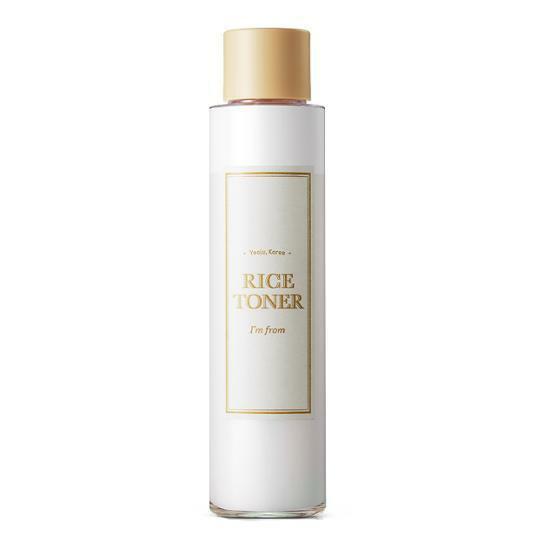
DIY Rice Water vs. Commercial Rice Toner: Which One Actually Works
DIY rice water has real appeal: it costs almost nothing and lets you control exactly what goes into it. But that control comes with real trade-offs in safety and consistency.
DIY rice water pros:
-
Nearly free to make
-
No added fragrance or preservatives if you prefer a bare formula
DIY rice water cons:
-
No preservative system, so bacterial contamination risk rises quickly after mixing
-
Active compound concentration varies batch to batch with no way to measure it
-
Short shelf life, typically usable for only a day or two before it should be discarded
Commercial rice toner pros:
-
Standardized, tested concentrations of active rice-derived compounds
-
Preservative systems that keep the formula stable and safe over months
-
Often fermented rather than simply soaked, which Vogue’s analysis notes may improve how well the actives perform
Commercial rice toner cons:
-
Costs more than tap water and rinsed rice
-
Requires reading labels to avoid unwanted fragrance or alcohol content
Dermatologists interviewed for Glamour’s coverage generally steer people toward commercial, standardized products for facial use, precisely because of the preservation and concentration issues above. If you do want to try DIY rice water, keep the soak short (30 minutes to a few hours, not days), refrigerate it, use it within 24 to 48 hours, and never apply it to broken or actively irritated skin.
What the Research and Dermatologists Actually Say
The clinical picture on rice toners is encouraging but still modest in scope, which is worth being honest about rather than overselling.
A formulation and evaluation study on a rice water-based toner found the formula remained stable and well-tolerated over a four-week trial, with participants reporting improved softness and brightness by the end of the evaluation. That four-week window lines up closely with what dermatologists tell consumers to expect in practice.
Key evidence points worth knowing:
-
The IJARSCT formulation study passed physicochemical stability testing and reported visible softness and brightness improvements at four weeks
-
Dermatologists quoted by Glamour frame rice water as a “gentle, supportive” ingredient, best paired with proven actives rather than used as a standalone treatment for pigmentation or acne
-
Allure’s roundup of rice toners echoes the same benefit list, brightening, hydration, barrier support, and antioxidant protection, citing dermatologist sourcing
What this doesn’t prove: one small formulation trial and dermatologist commentary are not the same as a large, peer-reviewed clinical study with a control group. The evidence supports rice toners as a reasonably safe, modestly effective hydrating and brightening step. It does not support claims that rice toner alone can resolve hyperpigmentation, acne, or significant signs of aging. Treat it as one well-supported layer in a broader routine, not a solo fix.
Realistic Timeline: How Long Before You See Results
Most people notice a hydration difference within the first few days, since humectants like inositol start binding water almost immediately. Brightening and texture changes move slower.
Dermatologists point to a four-to-eight-week window of consistent daily use before you can fairly judge whether a rice toner is working for tone and texture. That timeline matches the four-week improvement window reported in the formulation study on stability and softness.
Track your progress with something more objective than memory:
-
Take a photo in the same lighting once a week
-
Note how skin feels 30 minutes after application (tighter, plumper, no change)
-
Check for pore appearance under makeup by week four
If you see no change in hydration or comfort after eight weeks of daily use, or if you notice new irritation at any point, stop and consult a dermatologist rather than pushing through.
Sample Routines: Putting Rice Toner to Work
The clearest way to see rice toner benefits is to build it into a routine with a clear goal in mind.
-
Morning hydration and glow routine: gentle cleanser, rice toner, rice-based brightening serum, moisturizer, SPF.
-
Evening barrier-repair and calming routine: oil cleanser followed by a gentle foam cleanser, rice toner applied while skin is damp, a soothing serum, then a richer barrier cream to seal everything in.
-
Midday refresh for dry, tight skin: mist rice toner over makeup or bare skin for a quick hydration boost without disrupting your look.
Pairing rice toner with a hyaluronic-based hydrating layer tends to amplify the water-binding effect, since the two work on slightly different molecular scales.
What Actually Matters When Choosing a Rice Toner
Sophie Wong, on selecting rice toners: prioritize fermented rice extract over plain rice water listed low on the ingredient panel, and check for a real preservative system rather than a “clean” label that skips it entirely. Sourcing matters too. Some brands source directly from Korean distributors and lean toward eco-conscious formulas, which matters because a toner’s actual performance depends on how it was made, not just what’s printed on the front of the bottle. When shopping, read past the marketing copy to the actual ingredient order.
— Sophie Wong
Build Out Your Rice Toner Routine With Le Panda Beauté
Rice toner works best as part of a small, well-chosen lineup, not as a lone hero product, and that’s exactly what Le Panda Beauté is built around: authentic Korean formulas sourced directly from trusted distributors, so what’s on the ingredient list is what you’re actually getting. If you want to layer rice-derived actives more deeply, the Beauty of Joseon Glow Deep Serum with Rice and Alpha-Arbutin reinforces the same brightening pathway your toner starts. For daytime protection that won’t undo your hydration work, the Beauty of Joseon Relief Sun Aqua-fresh Rice+B5 SPF50+ pairs rice extract with sun protection in one lightweight step. Both fit naturally after the routines outlined above. Browse the full Korean skincare collection to build a routine around your specific skin goals.
Sources
-
How to Use Rice Water for Your Face, According to Dermatologists | Glamour
-
Formulation and Evaluation of Rice Water Toner (IJARSCT paper)
FAQ
Can I use rice toner daily?
Yes, daily use, morning and night, is standard and is how the evidence behind rice toner ingredients was actually gathered. Watch for tightness or irritation in the first two weeks and scale back to once daily if your skin needs it.
Is rice water toner really working?
Well-formulated rice toners show measurable hydration and mild brightening benefits, supported by a formulation study that found improved softness and brightness after four weeks of use. Results depend heavily on consistency and on choosing a stable, standardized commercial product rather than DIY rice water.
How do I use rice toner in my routine?
Apply it after cleansing and before serums or moisturizer, either pressed in with clean palms or swept on with a cotton pad. Follow with your treatment products, then seal everything in with a moisturizer.
Why do Koreans use rice in skincare?
Rice has a long history in Korean beauty for its hydrating and brightening effects on skin, tied to compounds like inositol and phytic acid. That tradition carries into modern K‑Beauty formulas, where fermented rice extract shows up in toners, essences, and serums across many Korean brands.
What’s the difference between rice water and a rice toner?
Rice water is simply water that rice soaked in, with no preservatives and no standardized active content. A commercial rice toner uses concentrated, often fermented rice extract in a stable, preserved formula, which is why dermatologists generally recommend it over homemade rice water for facial use.
